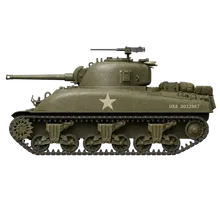
Orders
Chapter 2 · Orders · generated from the rules manual
2.0. Grid references. Four figures (4765) name a kilometre square and mean its centre; six figures (473645) name a 100 m square and mean its centre. Clicking the map writes six figures. Commanders speak in four: what they report is where they believe a thing to be, to the kilometre.
2.1. A commander turns the lieutenant’s transmission into one of the following intents. The simulation executes intents; it does not read English.
| Intent | What the tank does |
|---|---|
| Move | Drives to a point or along waypoints at cautious, normal, or fast speed, keeping the front toward a bearing if one is given |
| Halt | Stops, optionally facing a bearing |
| Seek hull-down | Driver looks nearby for ground that hides the hull from a bearing; fails if none is found |
| Engage | Fires at a contact the tank’s own crew has seen, with a shell preference. A contact held only by report cannot be engaged; an engage order on one becomes a few rounds of the shell asked for (HE if none) on its plotted grid |
| Fire at point | Puts rounds of a named shell on a map point, for HE on a reported gun nobody can see |
| Fire smoke | Puts white phosphorus on a point, creating a smoke cloud |
| Hold fire | Fires at nothing, except inside an optional exception range |
| Overwatch | Halts and engages anything that appears inside a sector, armor first or infantry first |
| Withdraw | Moves to a point with the gun kept toward the last threat bearing |
| Follow | Keeps a set distance behind another tank |
| Button up / unbutton | Closes or opens the hatches |
| Bail out | The crew leaves the tank |
2.2. An impossible intent is rejected with a reason: a move with a thrown track, engaging a contact the tank has never held, a point off the sheet, firing a shell type with none left.
2.3. Tank one takes intents directly from the lieutenant with no interpretation.
2.4. The bow gunner fires at infantry inside his arc and close in front of him on his own initiative unless hold fire is in force.
2.5. A tank with no fire intent engages seen armor or guns inside its own engagement range on its own initiative, nearest armor first, unless hold fire is in force. Crews did not wait to be told to shoot at a tank that was shooting at them.