Bad PennyFive Shermans, One Radio
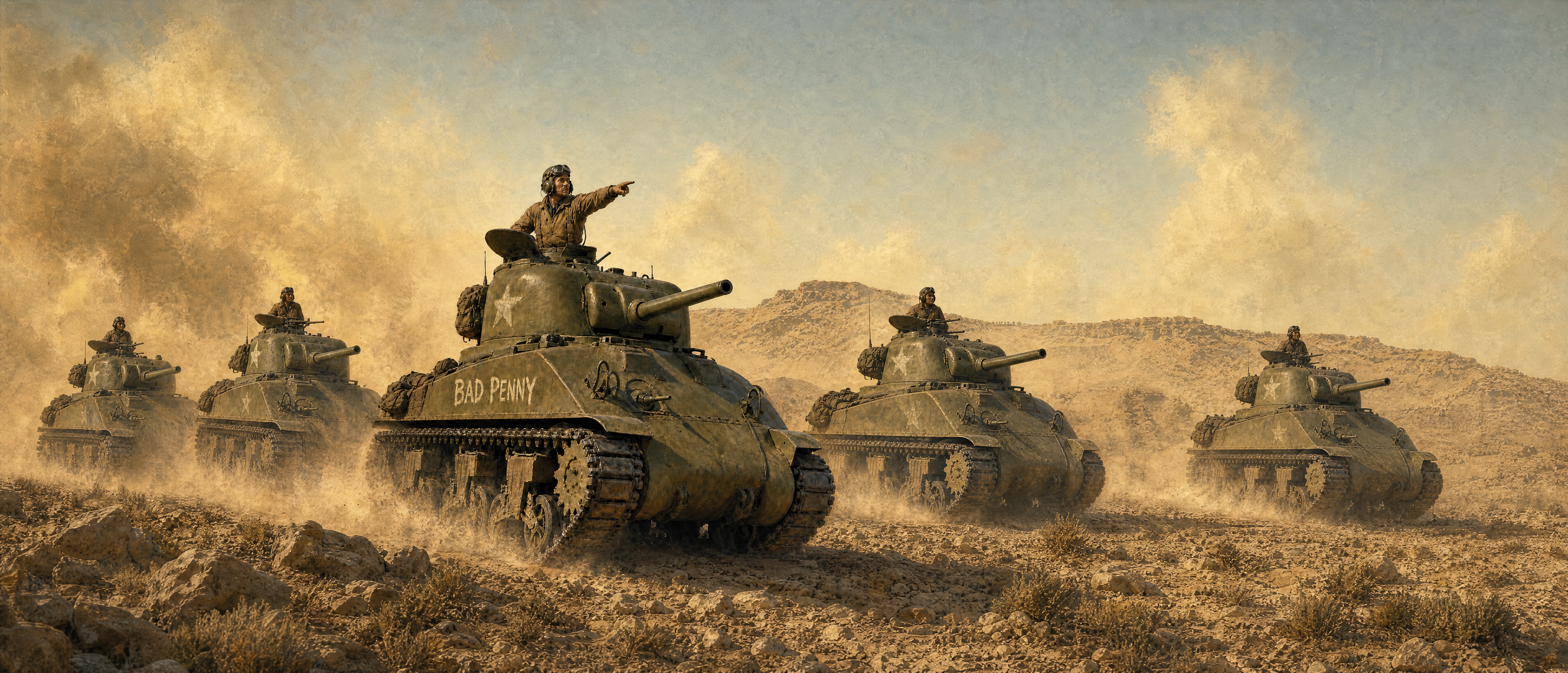
Painted in the manner of a 1940s war illustration: five Sherman tanks advance in echelon through dust in Tunisia, February 1943. The lead tank, Bad Penny, has her commander standing in the cupola pointing at something the platoon cannot yet see.

You are a second lieutenant of the 1st Armored Division with five Shermans and one radio. The men on the other end are yours to talk to. The map is not to be trusted.

Coming to Steam Tunisia 1943 · Italy 1944

Cover: “Bad Penny, Sidi Bou Zid, 14 February 1943.”

The game

Thirty seconds
at a time.

A battle is a run of thirty-second periods. In each one you transmit, the world moves for everyone at once, and then your commanders tell you what they saw. That is all the control you get, and it is enough to ruin you.

  1. Five named men

    Four sergeants answer you on the net and one crew answers on the intercom. You speak to them in your own words. A cautious man asks back when an order is unclear. An aggressive one acts on his reading of it.

    “Three, hold and put HE on that gun. Four, move up on his left.”

  2. A map that lies

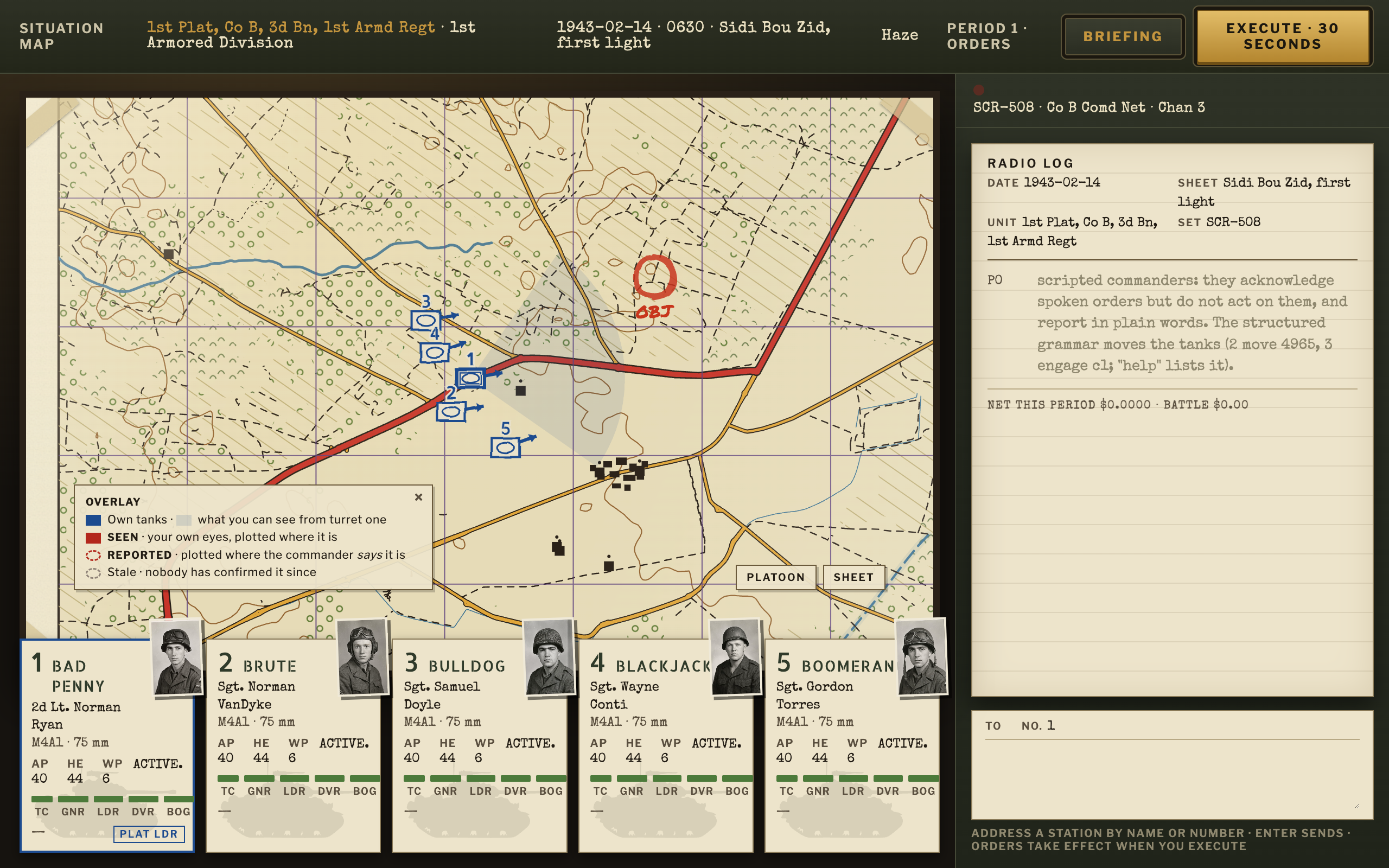
    Nothing on the sheet is the truth. It shows what tank one's crew have seen, plotted where they believe it to be, and what the others reported, plotted where they said it was. Both can be wrong.

    A gun reported at 4764 keeps its pencil mark long after it has moved.

  3. Real 1943 ground

    The battles stand on the actual terrain: elevation and features baked from survey data, the 1943 names restored, the modern roads taken out. The sheet is drawn as a GSGS reprint of the French 1:50,000.

    Djebel Lessouda is where it was, and so is the oued you have to cross.

  4. The fog comes off

    When it ends, the same sheet is shown with the fog off. Drag the timeline and watch where the enemy really was beside where you had him. What it cost, what you did not know, and what the men make of you.

    Nothing in the report is written by a model.

The men

Five tanks.
Five men who answer back.

The same five from one day to the next. They tire, they are wounded, they are killed, and what the depot sends back is green and knows nobody. Most days are not battles. Those are the days your men get some of it back.

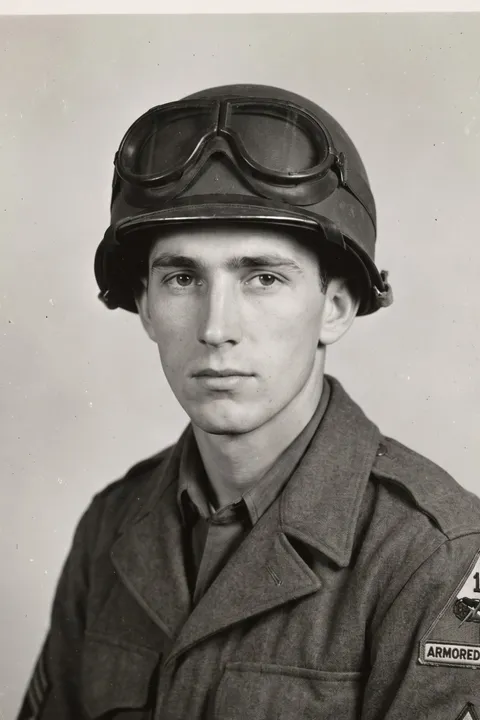
  • Identification photograph of a young sergeant in a tanker's helmet with goggles, looking straight into the lens.
    One · Bad Penny Sgt. Thomas Whitlock your own crew, on the intercom

    Says little. Calls the shot the moment the gunner has it, and tells you when you are wrong.

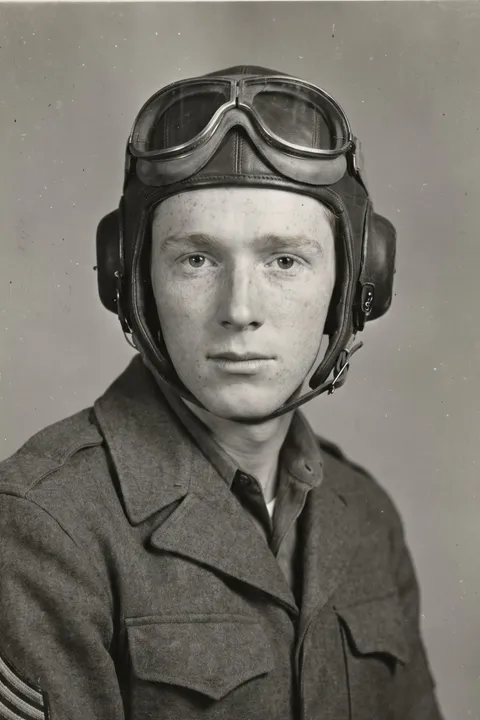
  • Identification photograph of a fair-haired sergeant in a leather tanker's helmet with goggles pushed up.
    Two · Brute Sgt. Leon Kaczmarek on the net · steady

    The platoon's oldest hand. Reports everything, on time, and keeps his own plot when yours disagrees.

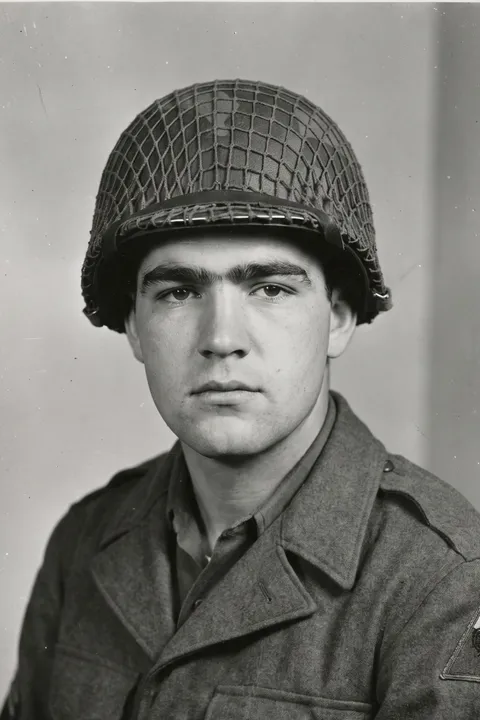
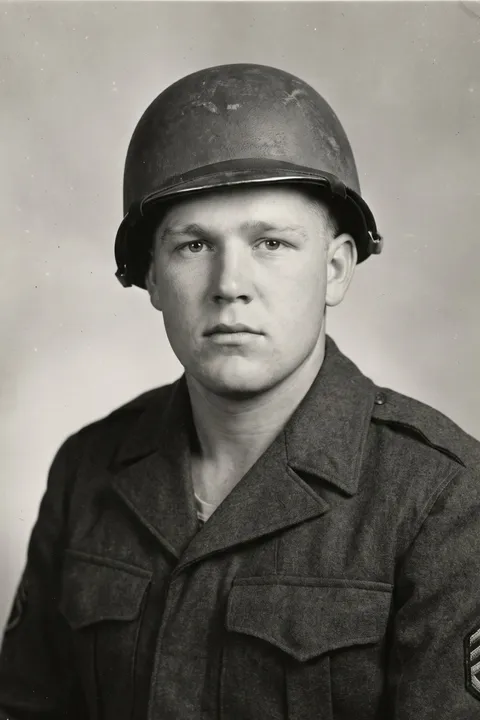
  • Identification photograph of a dark-haired sergeant in a netted steel helmet, jaw set.
    Three · Bulldog Sgt. Delbert Haines on the net · aggressive

    Acts on his reading of an order and tells you afterwards. He will get you a kill or a burning tank.

  • Identification photograph of a broad-faced sergeant in a steel helmet, expression neutral.
    Four · Blackjack Sgt. Raymond Ochoa on the net · cautious

    Asks back when an order is unclear. Slow to move, and the last man to bail out of anything.

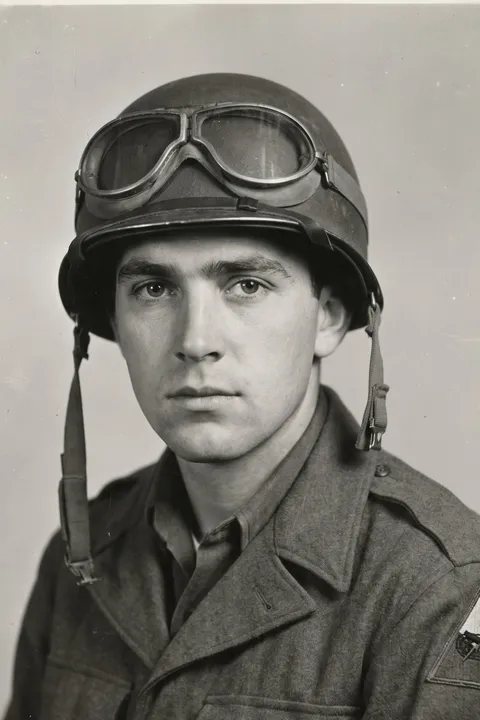
  • Identification photograph of a young sergeant in a steel helmet with goggles strapped across it.
    Five · Boomerang Sgt. Anthony Petrillo on the net · green

    Joined at Oran. Calls any big tank a Tiger and will not stop reporting it until you tell him to.

Signal Corps-style identification photographs of fictional men. Nobody here is a real person, none of these is a real record, and the names are ours. The men in your platoon are drawn fresh for each campaign. Read the disclaimer.

The ground

Real ground.
Your plot on acetate.

The sheet under your grease pencil is drawn from the actual elevation and features of the place, renamed as it was in 1943. Over it lies the acetate: your platoon in FM 21-30 signs, and the enemy where your men say he is.

A reported gun is a dashed circle until somebody lays eyes on it. A contact your own crew has lost goes grey. Nothing the simulation knows that you do not reaches the sheet.

Sheet 1:50,000 · Sidi Bou Zid · Tunisia · GSGS reprint of the French survey. Map data © OpenStreetMap contributors; elevation from Mapzen Terrain Tiles.

The map board: the platoon plotted on the sheet under acetate in FM 21-30 signs, the objective on the ridge in view, the radio pad and the vehicle cards beside it.
Sidi Bou Zid, period one. Nothing the simulation knows that you do not reaches the sheet.
After-action report · Sidi Bou Zid Unit1st Plt, Co B, 1st Armd Regt Date14 February 1943 · 0740–0912

Findings

  • What it costTwo tanks knocked out, one recovered. Sgt. Haines evacuated. 41 rounds AP, 62 HE.
  • What you did not knowThe gun at 5166 was two guns. The three tanks Two reported at 5364 were Panzer IVs at 5264, moving.
  • What you did wellFour's overwatch on the oued crossing. HE on the shield before the dash.
  • TallyTwo tanks, one gun, an infantry team broken

Ochoa: “He kept us on the ridge too long. But he kept us.”

Nothing in this report is written by a model

The report

Then the fog
comes off.

When the battle ends the game writes a record of it. The report is the same sheet with the truth drawn on: drag the timeline and watch where the enemy really stood beside where you had him plotted, tick for tick.

Down the right are the findings. What it cost. What you did not know. What you did well. And, in the men's own words, what they make of you now. Kills go on the board as marks on the barrel, and the board follows the platoon from one day to the next.

An enemy tank An anti-tank gun An infantry team broken
Campaigns

Tunisia into Italy.
The men carry.
The tanks do not.

Campaign one · 14 – 25 February 1943

Tunisia 1943

Five M4A1s and five crews who have never heard a shot: 1st Platoon, Company B, 3d Battalion, 1st Armored Regiment, of the 1st Armored Division. The campaign runs from 14 to 25 February 1943. It opens at first light on the 14th at Sidi Bou Zid, in haze, with the panzers coming down the Faïd road: division’s estimate of what is in front of you is wrong, and the objective has to be taken and held before they close. Twice in the days after, the platoon holds the screen line in front of Faïd and keeps the road behind it open. The rest are days in camp: mending, burying, and waiting for the depot.

The enemy you meet in February 1943 is the 21st Panzer Division’s Panzer III and Panzer IV, the towed 50 mm Pak 38 dug in on the ridges, and riflemen among them. The theater’s order of battle in the Reference carries more, the Tiger and the 88 among them, and green crews call any big tank a Tiger whether or not one is there.

The platoon’s tanks are Bad Penny, Brute, Bulldog, Blackjack and Boomerang, with Bandit and Bonecrusher in the park as spares. When the last day closes with you alive, the camp’s one button reads Move on.

  • M4A1 Sherman
Read about the theater →
Plate 5 · Reference
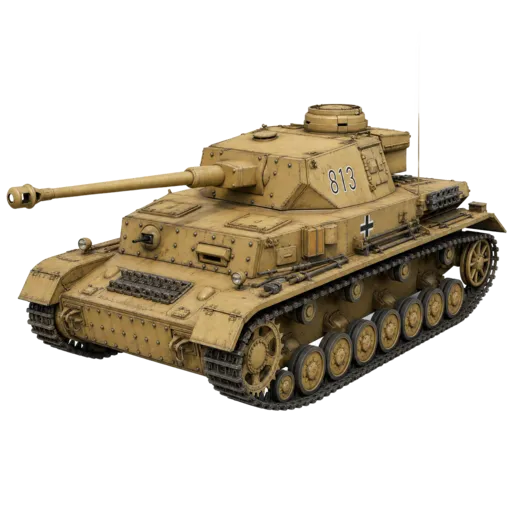
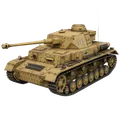
Panzer IV G, three-quarter view from the front left.
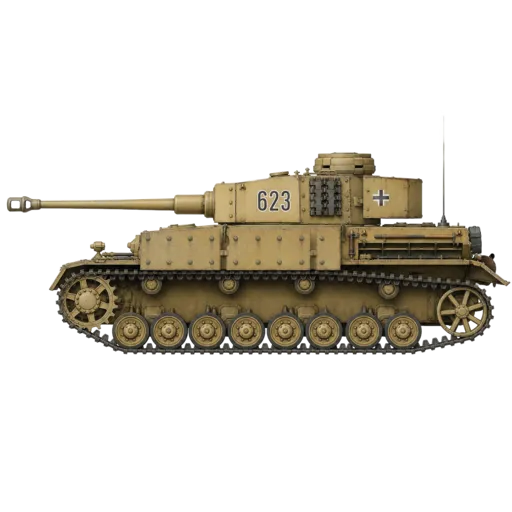
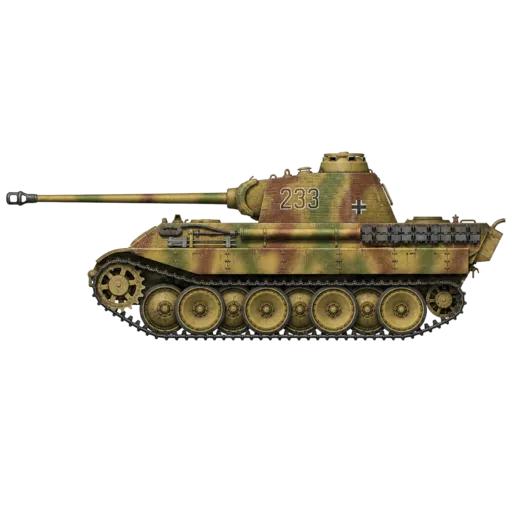
Panzer IV G, left side profile.Side elevation

Panzer IV G

75 mm KwK 40 L/43

Five M4A1s and five crews who have never heard a shot. Sidi Bou Zid at first light on 14 February, the screen line in front of Faïd, and the days in camp between.

  • Panzer III LPanzer III L50 mm KwK 39 L/60
  • 50 mm Pak 3850 mm Pak 38towed
Campaign two · 30 January – 19 February 1944

Italy 1944

Whoever is left, whoever arrived, sails for Anzio. A year at Naples heals the wounded, rests the tired, fills the empty seats and issues five new M4A1s: the men carry, the tanks do not. The campaign runs from 30 January to 19 February 1944 on the Cisterna sheet, attached to the 3rd Division’s front, in rain and low cloud.

It opens on the 30th with the attack up the Conca road to take the Isola Bella crossroads: a Pak 40 and a pair of StuGs in the farm buildings, riflemen in the ditches, and a Panther group that comes on partway through, the platoon’s first sight of one. Three times in the fortnight after, the platoon retakes an outpost of the line along the Canale Mussolini and the Fosso di Cisterna lost in the night. On 16 February the counteroffensive comes: the platoon and a rifle company hold the crossroads line while Panthers and Panzer IVs with infantry come on in waves. It is the game’s first hold mission, won by still being there when the time runs out, and the two days after it are the same fight in the ditches.

The enemy of 1944 is the Panther, whose front your gun cannot hole at any range; the StuG III, low and hard to see; the 75 mm Pak 40, in every farm; and the Panzer IV again.

The platoon’s tanks are Avenger, Anzio Annie, Ajax, Alamo and Arkansas, with Achilles and Apache as spares. Or start fresh: green men in new tanks, nobody carried from Tunisia, and find out whether it was the men or the tanks keeping you alive.

  • M4A1 Sherman
Read about the theater →
Plate 11 · Reference
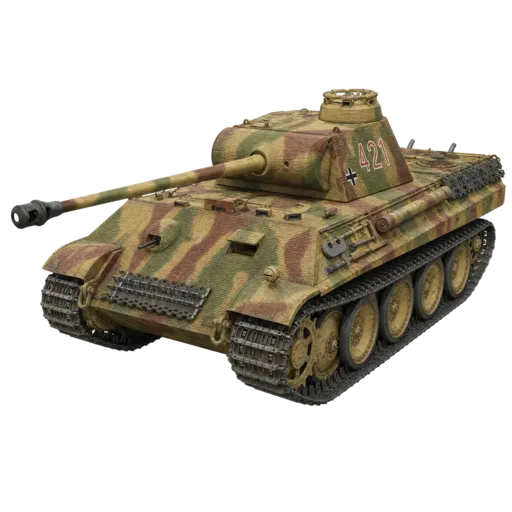
Panther A, three-quarter view from the front left.
Panther A, left side profile.Side elevation

Panther A

75 mm KwK 42 L/70

Sloped where the Sherman is flat and long-gunned where the Sherman is short. Your 75 goes in through the side or not at all, and he knows it.

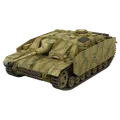
  • StuG III GStuG III G75 mm StuK 40 L/48
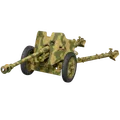
  • 75 mm Pak 4075 mm Pak 40towed
  • Panzer IV GPanzer IV G75 mm KwK 40 L/43
Coming

Further theaters

Further campaigns on the same men and the same rules: new sheets baked from real ground, new orders of battle, new weather to sit in. Nothing more to say about them yet.

Supplements

More ground.
More paper.

The game ships whole. These are the things we are making beside it, for people who want to go further into the war than the platoon does.

  • In preparation

    Campaign theaters

    Further campaigns on the same men and the same rules: new sheets baked from real ground, new orders of battle, new weather to sit in.

  • In preparation

    The printed manual

    The Rules Reference as a typeset field manual, with the reference plates: the same text as on this site. Because you will want to argue with it.

  • In preparation

    Art & media

    The cover painting, the vehicle plates and the sheets at print size, with the notes on how each was made.