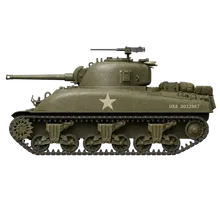
Between battles
Chapter 14 · Between battles · generated from the rules manual
Campaign scale. None of this is simulated inside a battle; it is what a battle leaves behind and what a day of rest gives back.
14.1. Fatigue. One number per man, from fresh to spent.
A battle begins with each man’s stress set to his fatigue. A platoon on its third day running starts the day already shaken; rested men start fresh.
Fighting a battle tires a man; having his tank hit during it tires him more; being knocked out or bailing out more still. A day out of action gives most of it back.
14.2. Steadiness. One number per man, starting at nothing. Each battle a man survives adds to it. It never decays: a man does not unlearn what he has seen. Steadiness reduces stress gain per 9.1, by up to a quarter for a man who has seen it all.
Steadiness and fatigue are the two halves of a veteran. He takes fear more slowly than he did as a draftee, and he starts each day with more of it already in him. A rested veteran is the steadiest man in the platoon; a tired one is closer to breaking than the replacement beside him.
14.3. Wounds. A light wound stays with the crew: the man serves at somewhat less than his skill and is fit again a few days later. The battle is not told he is wounded — section 7’s halving is for a man hit during the fight, and a wound counted in both places would leave a healing veteran worse than a replacement. The cost of that simplification is that he bails out at an unwounded man’s speed. A serious wound is an evacuation and he does not return — the campaign is shorter than his hospital stay — and his seat is filled per 14.6.
14.4. Cohesion between battles. A crew keeps whatever 9.6 left it at and gains a little for each day it stays together, up to a cap.
14.5. Morale. One number for the platoon, starting a little above the middle. Each tank lost lowers it a good deal and each man killed somewhat; an objective taken or held raises it a good deal, an enemy withdrawn somewhat, and a rest day somewhat.
Morale shifts every man’s reaction threshold of 9.3: a beaten platoon breaks sooner, a confident one holds longer. This is the only thing it does.
14.6. Replacements. A death or an evacuation empties a seat and files a request for a trade, not for a seat in a particular tank — the depot does not know, and does not need to know, which crew lost the man. He arrives at the platoon some days later and waits there until the lieutenant places him; a tank likewise arrives, after longer, and waits in the park until it is given to a crew, whether it is a written-off tank’s replacement or one merely knocked out returning from ordnance as itself. A crew loses cohesion by 9.6 when a stranger actually joins it, not when he reports.
Now and then an arriving man comes from another unit rather than the depot. His traits and skill are rolled between the green and veteran columns of section 8, interpolated by campaign progress — the actions already fought in this campaign over the actions this campaign holds: at the start he is drawn from the green column entire, at the end from the veteran column entire, and never from a mean of one with the spread of the other. He arrives with steadiness to match, and costs his new crew the same cohesion as any stranger under 9.6.
14.7. The platoon fights with what it has. A seat between a loss and an arrival is empty and the tank fights a man short. Fewer than two fit tanks on the morning of an action means the platoon is withdrawn to refit: the day passes as rest and the action is fought without it.
14.8. Filling the commander’s seat. A tank whose commander is dead or evacuated fights uncommanded until the lieutenant fills it, by one of three answers. A crew’s own man may take the seat, keeping his skill, his steadiness, and his trust exactly as he held them, and leaving his own seat empty in turn. A man from another crew may be brought over instead, provided he is not himself another crew’s commander: the crew that receives him loses cohesion by 9.6, as any crew does when a stranger joins it, while the crew he left keeps what it had. Or the seat may simply wait, as any empty seat does under 14.6.
What an evening in camp does to a commander’s trust in the lieutenant is 9.9.
14.9. The year. Each man a year older, fatigue gone, a light wound healed, skill up a little to its cap, a year with his crew if he stayed in it; each crew’s cohesion up and morale up, each to its cap; every pending arrival lands; empty commander seats are filled from the unassigned and then by promoting the platoon’s best gunner; every other empty seat is filled from the unassigned men of that seat, else by a green replacement from Naples; five new tanks, the old name kept where the old tank was fit.